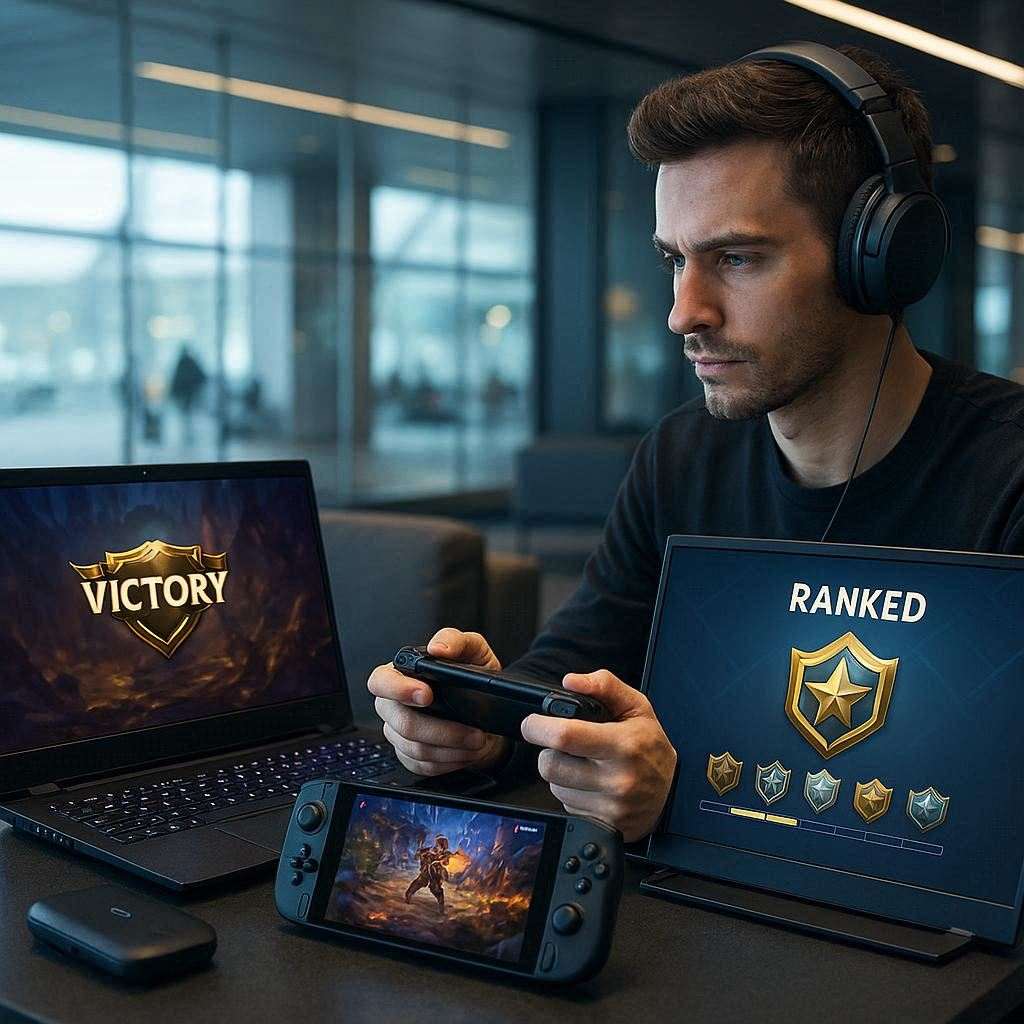
 Gaming is no longer limited to bedrooms, gaming cafés, or home offices. Today, many players continue gaming while traveling for work, school, vacations, or business trips. Portable devices, stronger internet connections, and cloud-based services have made gaming more flexible than before. Players can now stay connected to ranked matches and gaming communities from almost anywhere.
For players focused on Rocket League boosting, traveling no longer means falling behind. With the right technology gadgets, gamers can continue practicing, communicating with teammates, and managing ranked progress while away from home. Portable gaming setups have become smaller, lighter, and more powerful, making competitive gaming possible even during travel.
Travel gadgets for gaming are not only about entertainment. They help maintain consistency. Many ranked games reward regular play, active teamwork, and continuous improvement. Missing too many days can affect skill level, timing, or familiarity with current game updates. Reliable travel gadgets help players stay active in the competitive environment no matter where they are.
At the same time, traveling creates challenges for online gaming. Internet quality may change depending on the location. Power access may be limited during long trips. Public spaces may have distractions or security risks. Because of this, players need gadgets that support both performance and convenience.
Online game rank boosting also depends heavily on smooth communication, quick reactions, and stable systems. A player may have strong skills, but poor travel equipment can reduce performance. This is why many competitive players invest in gadgets designed specifically for portable gaming and stable online connectivity.
Essential Travel Gadgets for Competitive Online Gaming
One of the most important gadgets for traveling gamers is a lightweight gaming laptop. Gaming laptops today are more powerful than older portable systems. Many now include strong processors, high-refresh displays, and advanced graphics cards while remaining compact enough for travel.
A good gaming laptop allows players to access ranked games without depending on public gaming cafés or borrowed systems. It also provides familiarity. Competitive players perform better when they use settings and controls they already know well. Familiar keyboards, displays, and sensitivity settings reduce adjustment time during matches.
Portable gaming handhelds have also become popular. Devices such as handheld gaming PCs allow players to continue gaming in airports, hotels, trains, or waiting areas. While some handheld systems may not fully replace high-end gaming setups, they are useful for casual ranked sessions, practice, or game management during travel.
A quality gaming mouse is another important gadget. Competitive games often require accurate movement and fast reaction times. Many travel-friendly gaming mice now use wireless technology with low latency, making them easier to carry without sacrificing responsiveness. Portable mouse pads also help maintain consistent aiming and movement control.
Gaming headsets are equally valuable for travelers. Ranked online games rely heavily on communication and sound awareness. A noise-canceling headset can help players focus even in busy environments such as airports or shared hotel spaces. Clear audio also helps with hearing footsteps, team calls, and important in-game signals.
Portable internet devices are becoming more important for online game rank boosting. Pocket Wi-Fi routers and mobile hotspots allow players to avoid unstable public networks. Public Wi-Fi may be slow, crowded, or insecure. A private mobile connection often provides more stable gameplay and safer online access.
Power banks and portable chargers are also essential. Gaming devices consume significant battery power, especially during online matches. Running out of battery during ranked gameplay can lead to penalties, abandoned matches, or lost progress. High-capacity power banks help players stay connected during long travel periods.
Travel keyboards designed for portability are also useful. Some players prefer compact mechanical keyboards because they provide faster and more comfortable key presses while taking up less space. Foldable or wireless keyboards are especially helpful for players with limited luggage space.
Cooling accessories also matter during travel. Portable cooling pads help prevent gaming laptops from overheating during extended sessions. Hotels or public areas may not always provide good airflow, and overheating can reduce gaming performance. Keeping devices cool helps maintain stable frame rates and longer hardware lifespan.
Screen protectors, protective cases, and travel bags are also important. Gaming equipment is expensive and sensitive. Proper protection prevents damage during flights, road trips, or daily movement. Many travel gaming bags now include compartments for laptops, chargers, headsets, controllers, and accessories.
Smartphones are another key part of modern gaming travel setups. Many players use mobile apps to track rankings, communicate with teammates, manage accounts, or follow game updates. Mobile gaming itself has also become highly competitive, allowing players to participate in ranked games directly from their phones.
Cloud gaming services are expanding as well. These services allow players to stream games instead of installing large files locally. For travelers with reliable internet, cloud gaming provides flexibility without requiring heavy hardware. This can be useful for maintaining online game rank boosting activities while carrying fewer devices.
Staying Competitive While Traveling
Traveling can disrupt routines, but organized preparation helps players remain competitive. One of the first steps is planning internet access before the trip. Competitive gaming requires stable and low-latency connections. Players should research hotel Wi-Fi quality, mobile coverage, or local internet options before arriving.
Many ranked players test their connections before joining important matches. Checking ping, download speed, and upload speed helps avoid frustration during gameplay. If the internet connection is unstable, players may choose practice matches instead of risking ranked games.
Travel schedules should also be considered carefully. Long flights, changing time zones, and busy itineraries can affect focus and reaction time. Fatigue may reduce decision-making ability during competitive matches. Players should balance gaming with rest to maintain consistent performance.
Portable monitors are becoming more common among traveling gamers. Some portable screens are thin, lightweight, and capable of high refresh rates. These monitors provide larger displays than laptops while remaining easy to transport. They are especially useful for players who need dual-screen setups for streaming or communication.
Players who travel frequently often organize their gaming gear efficiently. Cable organizers, compact storage cases, and wireless accessories reduce clutter and make setup faster. This allows players to quickly create a comfortable gaming environment in hotel rooms or temporary workspaces.
Security is another important issue during travel gaming. Public networks can expose devices to security risks. Players should avoid logging into sensitive accounts on unsafe networks without protection. VPN services can help improve online privacy while traveling.
Account safety is also critical. Competitive gaming accounts often contain purchased items, rankings, or personal information. Strong passwords and two-factor authentication help protect accounts from unauthorized access. Losing an account can damage both progress and online reputation.
Online game rank boosting while traveling also depends on maintaining communication with teammates or gaming communities. Messaging apps, voice communication platforms, and team scheduling tools help players stay connected even when moving between locations.
Travel-friendly webcams and microphones are useful for content creators and streamers. Many competitive players also produce gaming content while traveling. Portable recording equipment allows them to continue creating videos, streaming matches, or engaging with audiences from different locations.
Gaming during travel should also remain comfortable. Long gaming sessions in airports or cramped hotel desks can create physical strain. Portable laptop stands, ergonomic accessories, and proper posture help reduce discomfort during extended sessions.
Players should also manage expectations while traveling. Some locations may not provide ideal gaming conditions. Instead of forcing serious ranked sessions in poor environments, players can focus on practice, reviewing gameplay footage, or learning strategies. Flexibility helps maintain progress without unnecessary frustration.