Category Archives: Technology

Category Archives: Technology

Technology Gadgets for Travelling: How Adobe Commerce Improves the Online Shopping Experience

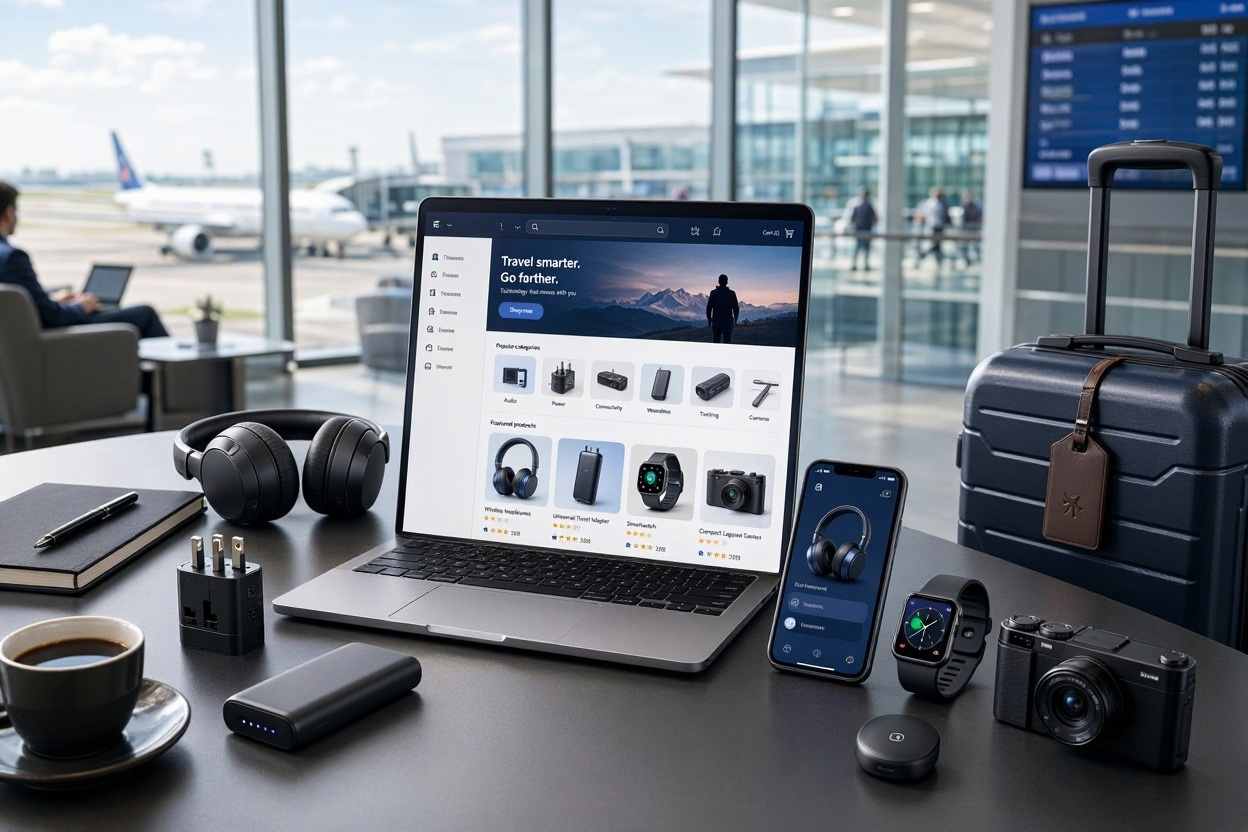
Technology has become an important part of modern travel. From smartphones and portable chargers to wireless headphones and smart luggage, travellers rely on electronic devices to make their journeys easier. These gadgets help people stay connected, navigate unfamiliar destinations, manage schedules, and enjoy entertainment while travelling.

As demand for travel technology continues to grow, online retailers have new opportunities to reach customers looking for convenient and reliable products. However, selling technology gadgets online requires more than simply displaying products on a website. Customers expect accurate information, easy navigation, secure payments, and a smooth shopping experience.

This is the time to find out more about Brainvire’s Adobe Commerce services. As an advanced eCommerce platform, Adobe Commerce helps businesses manage online stores, organise product catalogues, and improve customer experiences. For retailers selling technology gadgets for travelling, it provides tools that support both daily operations and long-term business growth.

How Technology Gadgets Are Transforming Modern Travel

Travelling has become more convenient with the introduction of compact and practical electronic devices. Many tasks that once required several tools can now be completed using a smartphone or a small travel accessory.

Portable power banks are among the most useful gadgets for travellers. They allow people to charge their devices when electrical outlets are unavailable. This is particularly helpful during long flights, outdoor activities, or extended sightseeing trips.

Wireless headphones are another popular travel accessory. Noise-cancelling models help reduce background sounds, making them useful for flights, train journeys, and busy public spaces. They also allow travellers to enjoy music, podcasts, and videos without disturbing others.

Smartwatches provide additional convenience by offering navigation assistance, fitness tracking, notifications, and quick access to important information. Travellers can check directions or receive messages without constantly reaching for their phones.

Other useful travel gadgets include Bluetooth luggage trackers, portable Wi-Fi devices, compact cameras, and universal travel adapters. Each product addresses a specific travel need, helping people enjoy a more organised experience.

These developments have also changed how customers shop for travel accessories. Instead of visiting several physical stores, consumers can browse products online, compare specifications, and read customer reviews before purchasing.

However, travel gadgets often require careful consideration. Customers may need to check battery capacity, device compatibility, charging requirements, or product dimensions. A portable charger that works well for one traveller may not meet the needs of another.

Online retailers must therefore provide detailed product information in a format that customers can easily understand. Clear descriptions, comparison features, and organised categories help shoppers identify suitable products.

Mobile-friendly websites are equally important. Travellers often shop using smartphones while commuting, preparing for holidays, or waiting at airports. A website that performs well on smaller screens makes browsing and purchasing more convenient.

These changing shopping habits highlight the need for modern eCommerce solutions that can support growing product catalogues and increasing customer expectations.

Understanding Adobe Commerce and Its Benefits for Online Retailers

Adobe Commerce is an eCommerce platform designed to help businesses create, manage, and expand their online stores. It offers tools for product management, customer accounts, order processing, marketing, and digital transactions.

One of its main advantages is flexibility. Businesses can customise their online stores according to their products, customers, and operational requirements. This makes the platform suitable for retailers offering different types of technology gadgets.

For example, an online store specialising in travel accessories might organise its catalogue into portable charging devices, wireless electronics, travel photography equipment, and smart luggage accessories.

Adobe Commerce allows retailers to create detailed product listings with descriptions, images, pricing, and available options. Customers can use navigation and filtering tools to explore products based on their preferences.

Product search is another important feature. Shoppers looking for a particular gadget should be able to find relevant products without browsing through unrelated categories. Advanced search capabilities can improve product discovery and reduce unnecessary steps during shopping.

Adobe Commerce also supports personalised shopping experiences. Depending on the features and services implemented, retailers can recommend products related to customer interests, browsing activity, or previous purchases.

A customer purchasing a compact travel camera, for example, may also be interested in memory cards, protective cases, or portable storage devices. Relevant recommendations can help customers discover useful accessories while creating additional sales opportunities.

Inventory management is particularly important for technology retailers. Popular travel gadgets may experience changes in demand during holiday seasons or major shopping events. Keeping stock information accurate helps customers understand product availability before placing an order.

Adobe Commerce can also connect with external business systems. These integrations may include inventory management software, payment gateways, customer relationship management platforms, and enterprise resource planning systems.

Connecting these tools can improve operational efficiency by reducing the need to update information manually across different platforms.

For businesses operating internationally, Adobe Commerce offers multi-store capabilities. Retailers can manage different storefronts and configure languages, currencies, and product offerings for their target markets.

Security remains another essential consideration. Customers need confidence when entering personal information and completing online transactions. Adobe Commerce supports security features and integrations that help businesses protect their stores when properly configured and maintained.

Businesses exploring advanced eCommerce solutions can visit the official Adobe Commerce website to learn more about its capabilities and available services.

Why Adobe Commerce Is Valuable for Travel Gadget Businesses

The travel technology market includes a wide range of products designed for different activities, budgets, and preferences. Retailers need flexible platforms that can manage these differences without making the shopping experience complicated.

Adobe Commerce provides tools that can help businesses organise extensive product catalogues while maintaining a consistent customer experience.

For instance, a retailer may offer basic travel accessories alongside premium devices such as advanced cameras, GPS equipment, and smart luggage. Customers should be able to compare these products based on their features and intended uses.

Clear navigation and product filtering make this process easier. Instead of searching through hundreds of unrelated items, shoppers can narrow their options according to product type, price, or compatibility.

Website performance also affects customer satisfaction. Slow-loading pages and complicated checkout processes may discourage customers from completing purchases. Retailers can improve the shopping experience through performance optimisation, responsive design, and simplified navigation.

Adobe Commerce can support these improvements when implemented and maintained effectively.

Another benefit is the ability to manage promotions and seasonal campaigns. Travel gadget retailers may experience increased demand before major holidays, school breaks, and popular travel seasons.

An online store can feature relevant product collections, promotional offers, and recommended accessories to help customers prepare for upcoming trips.

For example, a summer travel campaign might highlight portable chargers, waterproof phone cases, and wireless headphones. A business travel collection could focus on compact laptop accessories, universal adapters, and portable storage devices.

These targeted shopping experiences can make product discovery more relevant and convenient.

Scalability is another consideration for growing retailers. A business may begin with a small catalogue of travel accessories before expanding into more advanced electronic products. Adobe Commerce offers capabilities that support larger catalogues and more complex operations.

However, choosing an eCommerce platform should always depend on business requirements. Retailers should consider their budget, technical resources, expected traffic, integration needs, and long-term plans.

Professional Adobe Commerce development and implementation services can help businesses configure their stores, connect important systems, and maintain website performance. Careful planning is essential to ensure that the technology supports practical business goals.

As technology continues to influence travel, customers will increasingly look for gadgets that improve convenience, communication, and entertainment. Retailers that make these products easy to discover and purchase can create stronger online shopping experiences.

Adobe Commerce provides a flexible foundation for businesses seeking to improve their digital operations. By combining organised product information, convenient purchasing features, and reliable store management, travel gadget retailers can better serve modern customers.

Ultimately, successful online retail depends on understanding what shoppers need and making their purchasing journey as simple as possible. With the right eCommerce strategy, businesses can connect travellers with useful technology while preparing for future growth.

Read More

How to Compare Smartphones for International Travel

A smartphone can work perfectly at home and still be a poor fit for your trip. The version sold in another country might have a different SIM tray, your carrier might lock the phone to its network, or a travel plan might give you data without a phone number. Choose your smartphone with CompareCelular (CompareCelular escolha seu) by comparing models that support the SIM setup you need. Before buying or packing a phone, check whether it will connect at your destination and let you keep your home line available for calls and verification texts.

Compare eSIM and Physical SIM Support.

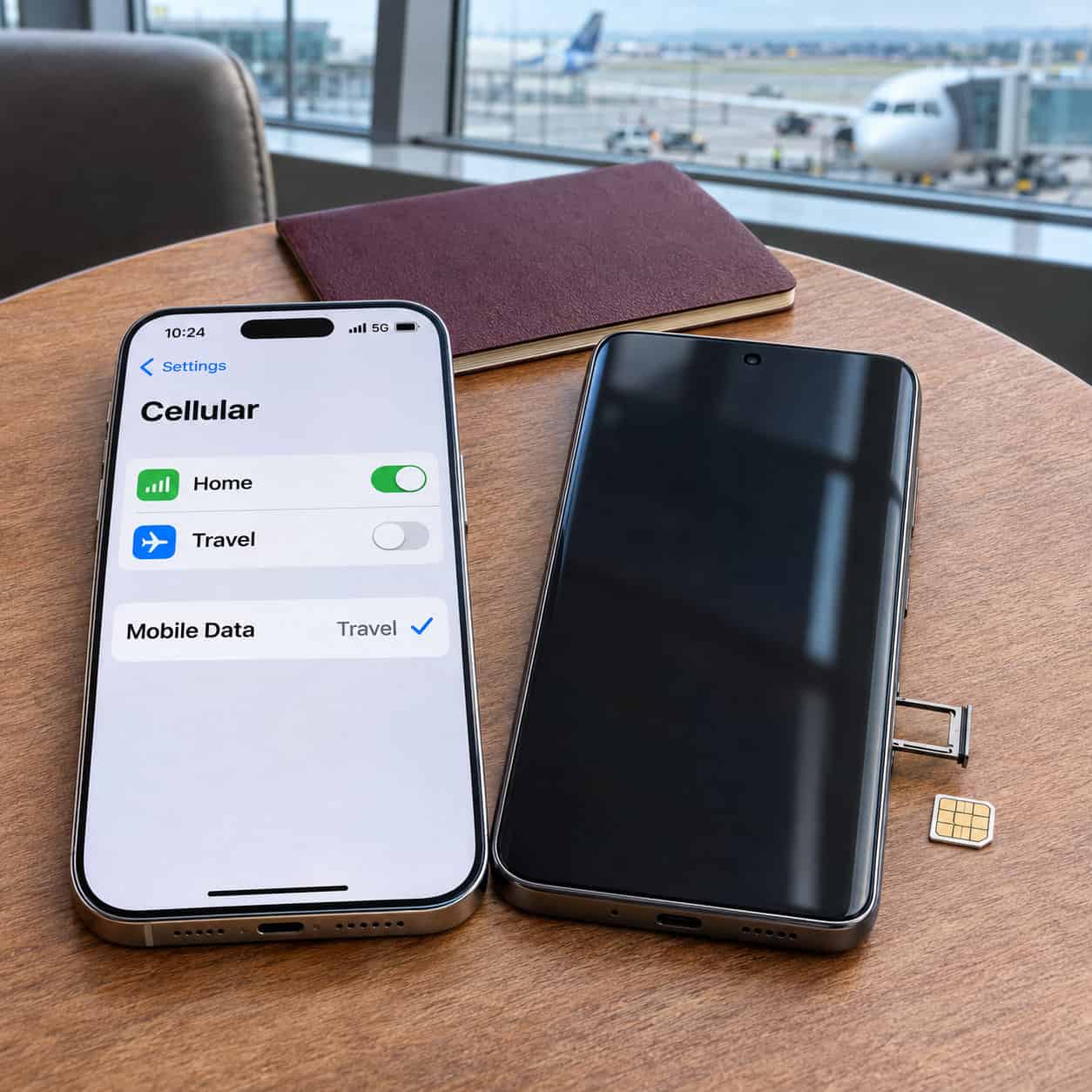
An eSIM lets you add a mobile plan digitally. That can save time if you want to set up data before landing or avoid finding a SIM shop at the airport. A physical nano-SIM gives you another option when the plan you want comes on a card. If you already use a physical SIM at home, a phone that supports an active physical SIM and an active eSIM together lets you leave the card in place while adding a travel plan.
Check the specifications for the country where the phone was sold. The U.S. iPhone 16 uses eSIM only. The U.K. iPhone 16 supports a nano-SIM and an eSIM, as well as dual eSIM. Google’s Pixel 9a can use a physical SIM and an eSIM, or two eSIMs at once if the carrier allows it. Samsung lists two nano-SIMs, a nano-SIM plus eSIM, and dual eSIM for the Philippine Galaxy S25 model. Compare the exact variant if you are buying an imported or secondhand phone.
Check how many lines can be active together. A phone may store several eSIM profiles for different countries, but storing a profile and having it enabled are separate things. If you want to keep a home eSIM active while adding a travel eSIM, look for support for two active eSIMs.

Confirm the Phone Is Carrier-Unlocked

A carrier lock can prevent a phone from accepting another provider’s SIM or eSIM. On an iPhone, open Settings > General > About and look for No SIM Restrictions beside Carrier Lock. For Android, ask the selling carrier to confirm the unlock status for the exact device. If you have another carrier’s active SIM and the phone has a tray, try it before the trip. A used phone advertised as unlocked is easier to evaluate when the seller can show it working on a second network.
If the device is locked, ask the original carrier what it requires for unlocking and how long the process takes. If you are leaving soon, compare the cost of your home carrier’s roaming plan with the cost of using a separate unlocked phone. Check the restrictions before paying for a travel plan.

Verify Network Compatibility at Your Destination

Find the exact model number and compare its LTE and 5G bands with the destination carrier’s published requirements. A phone marketed as 5G may support different bands depending on the regional variant. Also check the carrier’s coverage map for the places you plan to visit. A network that works well near your hotel may have limited coverage along a rural route.
If you need ordinary phone calls, confirm support for Voice over LTE, or VoLTE, with the carrier you plan to use. Ask whether it offers a compatibility check for your exact model or IMEI, the handset’s unique identifier. This matters for imported phones. Australia’s Telstra, for example, explains that overseas devices may require extra checks for calling compatibility, including emergency calling. For a regional eSIM, check the provider’s country list and the partner network it uses in each destination. Confirm coverage for any stop where you’ll need mobile data.

Keep Your Home Number Active Abroad

Choose a phone that can keep both lines active, then assign your travel line to mobile data and leave your home line enabled for calls and texts. Label the lines Home and Travel so you can see which number you’re using. Turn off data roaming on the home line if you want to avoid using it for mobile data, and turn off automatic data switching if you want data to stay on the travel line. Follow the travel provider’s instructions for whether roaming needs to be enabled on its line.
A data-only eSIM provides internet access without regular calls, SMS, or its own phone number. Your home carrier still determines whether your home line can receive calls and texts abroad and what those services cost. Ask specifically about incoming verification texts, calls, and Wi-Fi calling at your destination. Turning off data roaming on your home line still leaves voice and text charges subject to your plan. If your accounts depend on SMS codes, set up another verification method where available.
Before leaving, save the provider’s setup instructions where you can reach them over Wi-Fi. Check when the plan starts. On arrival, confirm that maps work on the travel line, then ask someone at home to send a test SMS message.
The best phone for your trip is an unlocked model that works with a carrier where you are going and can keep your home line reachable if you need it. If you regularly buy local SIM cards, prioritize a physical tray. If you usually buy travel data online, prioritize dual eSIM support and confirm that both lines can stay active.
Read More

Job Hunting on the Road: A Digital Toolkit for Remote Applications

remote work for travellers


Job hunting no longer requires a home office or a fixed address. Applications, interviews, and even offer negotiations increasingly happen through lightweight, browser-based tools that run on almost any device with an internet connection. Pew Research Center has tracked this shift for years, and its research found that a large majority of recent job seekers have used the internet to research and apply for positions, with mobile and cloud-based tools playing a growing role in that process. For someone applying to jobs from a train, a co-working space, or a hotel lobby in another country, this matters. The whole process, from finding a listing to submitting a polished application, can now happen without a permanent desk.


That shift is especially useful for the growing number of people who search for work while traveling. Instead of carrying a full office setup, most of what a traveling applicant needs fits into a backpack and a handful of apps. One of the more time-consuming parts of the process, adjusting a resume for each specific job posting, has also moved online. Research summarized by career platform Jobscan points to tailoring as a meaningful factor in getting noticed, since applicant tracking systems weigh how closely a resume mirrors the language in a job description. Rather than rewriting a resume from scratch in a hotel room, many job seekers now paste a job description into this tool and get a tailored draft back in minutes, no software installation required.


Here is what a practical, travel-friendly digital toolkit for remote job hunting tends to include.


A Compact Laptop or Tablet


The foundation of any mobile job search is a device that is light enough to carry all day but capable enough to handle video calls, document editing, and long browser sessions. A compact laptop with a decent battery life is usually the more reliable choice for filling out lengthy applications or joining video interviews, since typing and multitasking are still easier on a physical keyboard. A tablet paired with a foldable keyboard can work as a lighter alternative for shorter trips, since it packs down small while still allowing comfortable typing during long application sessions. Reports from freeCodeCamp, which tracks tools used by digital nomads, note that most remote workers now build their setups around portability first, since laptops and bags are more likely to be lost, damaged, or left behind during frequent travel.


Portable Wi-Fi or an International eSIM


Unreliable internet is one of the fastest ways to derail a job search on the road. A dropped video interview or a resume that fails to upload at the wrong moment can cost an opportunity. Many travelers now rely on portable Wi-Fi hotspots or an international eSIM that activates before they even land in a new country, rather than hunting for a local SIM card after arrival. Guides on nomad tools, including coverage from freeCodeCamp, describe this as one of the more significant shifts in recent years, since it removes a common source of downtime during travel days when connectivity matters most.


Cloud Storage for Documents


Keeping resumes, cover letters, certificates, and reference letters in cloud storage rather than only on a local device protects against the practical risks of travel, including device theft, hardware failure, or a laptop left in a taxi. Platforms such as Google Drive, Dropbox, and Microsoft OneDrive allow a job seeker to access and edit documents from any browser, which matters when applying from a borrowed computer or a phone. Data from workplace research group Signeasy indicates that backup and file recovery tools have become a standard part of the remote worker’s kit, precisely because losing access to key documents can stall an active job search for days.


A Resume-Editing App Built for Speed


Tailoring a resume for each application is one of the more tedious but effective habits in modern job hunting. Findings referenced by resume research site Resumly indicate that a meaningful share of candidates skip this step entirely, which can lower their odds of getting an interview. For someone traveling, sitting down to manually rewrite bullet points before every application is rarely realistic. A resume-editing app that accepts a pasted job description and suggests keyword and phrasing adjustments lets a traveler make those changes from an airport lounge in a few minutes rather than an hour. It also helps address a separate problem noted by career platform Zimyo, which found that resumes formatted incorrectly can fail to parse properly in applicant tracking systems before a keyword match is even evaluated.


Looking Ahead


As remote hiring becomes more common and applicant tracking systems continue to shape how resumes are screened, the tools that support a traveling job search are likely to keep converging around the browser. A compact device, dependable connectivity, cloud-based document storage, and fast resume tailoring cover most of what someone needs to apply for jobs seriously while moving between cities or countries. None of these tools require a fixed workspace, which is precisely why they have become standard for people building a career while staying mobile.

Read More

How Online Game Rank Boosting Stays Accessible Anywhere

Gaming is no longer limited to bedrooms, gaming cafés, or home offices. Today, many players continue gaming while traveling for work, school, vacations, or business trips. Portable devices, stronger internet connections, and cloud-based services have made gaming more flexible than before. Players can now stay connected to ranked matches and gaming communities from almost anywhere.
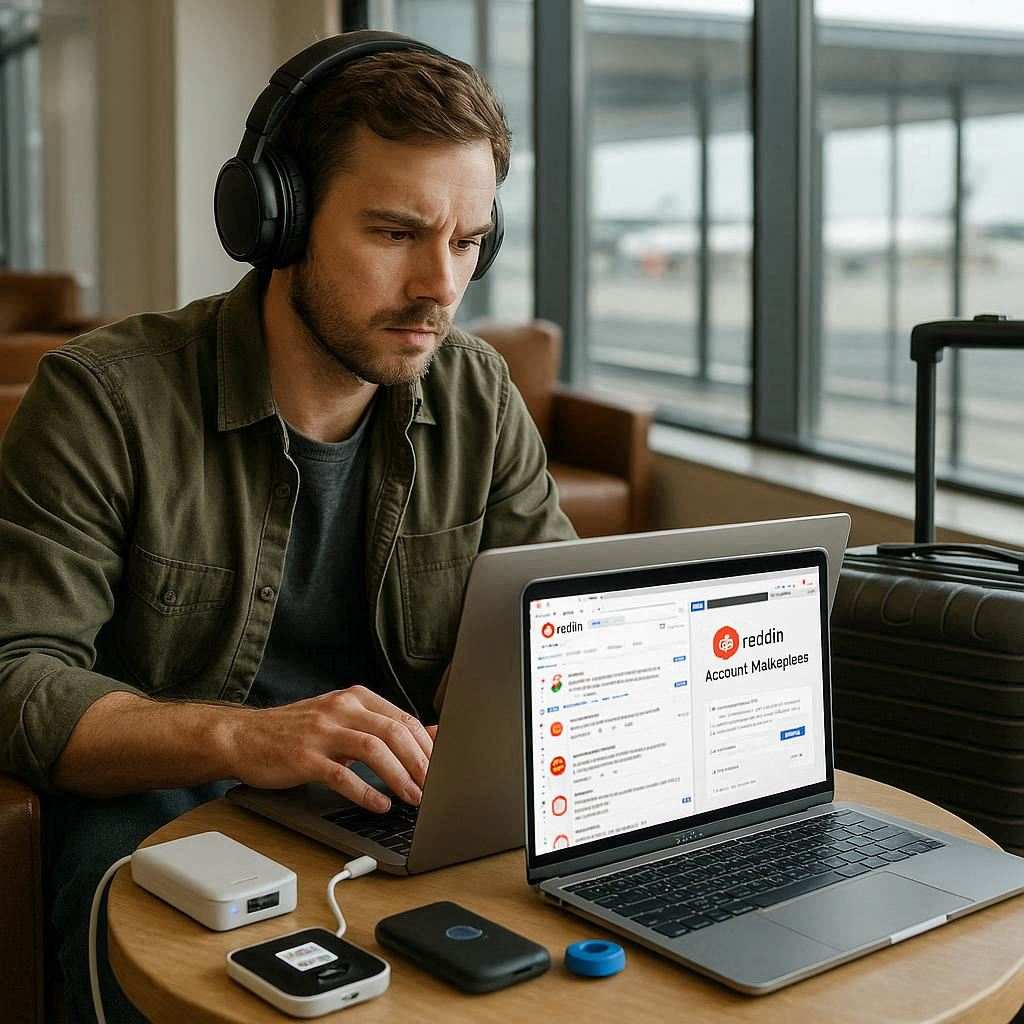

For players focused on Rocket League boosting, traveling no longer means falling behind. With the right technology gadgets, gamers can continue practicing, communicating with teammates, and managing ranked progress while away from home. Portable gaming setups have become smaller, lighter, and more powerful, making competitive gaming possible even during travel.

Travel gadgets for gaming are not only about entertainment. They help maintain consistency. Many ranked games reward regular play, active teamwork, and continuous improvement. Missing too many days can affect skill level, timing, or familiarity with current game updates. Reliable travel gadgets help players stay active in the competitive environment no matter where they are.

At the same time, traveling creates challenges for online gaming. Internet quality may change depending on the location. Power access may be limited during long trips. Public spaces may have distractions or security risks. Because of this, players need gadgets that support both performance and convenience.

Online game rank boosting also depends heavily on smooth communication, quick reactions, and stable systems. A player may have strong skills, but poor travel equipment can reduce performance. This is why many competitive players invest in gadgets designed specifically for portable gaming and stable online connectivity.

Essential Travel Gadgets for Competitive Online Gaming

One of the most important gadgets for traveling gamers is a lightweight gaming laptop. Gaming laptops today are more powerful than older portable systems. Many now include strong processors, high-refresh displays, and advanced graphics cards while remaining compact enough for travel.

A good gaming laptop allows players to access ranked games without depending on public gaming cafés or borrowed systems. It also provides familiarity. Competitive players perform better when they use settings and controls they already know well. Familiar keyboards, displays, and sensitivity settings reduce adjustment time during matches.

Portable gaming handhelds have also become popular. Devices such as handheld gaming PCs allow players to continue gaming in airports, hotels, trains, or waiting areas. While some handheld systems may not fully replace high-end gaming setups, they are useful for casual ranked sessions, practice, or game management during travel.

A quality gaming mouse is another important gadget. Competitive games often require accurate movement and fast reaction times. Many travel-friendly gaming mice now use wireless technology with low latency, making them easier to carry without sacrificing responsiveness. Portable mouse pads also help maintain consistent aiming and movement control.

Gaming headsets are equally valuable for travelers. Ranked online games rely heavily on communication and sound awareness. A noise-canceling headset can help players focus even in busy environments such as airports or shared hotel spaces. Clear audio also helps with hearing footsteps, team calls, and important in-game signals.

Portable internet devices are becoming more important for online game rank boosting. Pocket Wi-Fi routers and mobile hotspots allow players to avoid unstable public networks. Public Wi-Fi may be slow, crowded, or insecure. A private mobile connection often provides more stable gameplay and safer online access.

Power banks and portable chargers are also essential. Gaming devices consume significant battery power, especially during online matches. Running out of battery during ranked gameplay can lead to penalties, abandoned matches, or lost progress. High-capacity power banks help players stay connected during long travel periods.

Travel keyboards designed for portability are also useful. Some players prefer compact mechanical keyboards because they provide faster and more comfortable key presses while taking up less space. Foldable or wireless keyboards are especially helpful for players with limited luggage space.

Cooling accessories also matter during travel. Portable cooling pads help prevent gaming laptops from overheating during extended sessions. Hotels or public areas may not always provide good airflow, and overheating can reduce gaming performance. Keeping devices cool helps maintain stable frame rates and longer hardware lifespan.

Screen protectors, protective cases, and travel bags are also important. Gaming equipment is expensive and sensitive. Proper protection prevents damage during flights, road trips, or daily movement. Many travel gaming bags now include compartments for laptops, chargers, headsets, controllers, and accessories.

Smartphones are another key part of modern gaming travel setups. Many players use mobile apps to track rankings, communicate with teammates, manage accounts, or follow game updates. Mobile gaming itself has also become highly competitive, allowing players to participate in ranked games directly from their phones.

Cloud gaming services are expanding as well. These services allow players to stream games instead of installing large files locally. For travelers with reliable internet, cloud gaming provides flexibility without requiring heavy hardware. This can be useful for maintaining online game rank boosting activities while carrying fewer devices.

Staying Competitive While Traveling

Traveling can disrupt routines, but organized preparation helps players remain competitive. One of the first steps is planning internet access before the trip. Competitive gaming requires stable and low-latency connections. Players should research hotel Wi-Fi quality, mobile coverage, or local internet options before arriving.

Many ranked players test their connections before joining important matches. Checking ping, download speed, and upload speed helps avoid frustration during gameplay. If the internet connection is unstable, players may choose practice matches instead of risking ranked games.

Travel schedules should also be considered carefully. Long flights, changing time zones, and busy itineraries can affect focus and reaction time. Fatigue may reduce decision-making ability during competitive matches. Players should balance gaming with rest to maintain consistent performance.

Portable monitors are becoming more common among traveling gamers. Some portable screens are thin, lightweight, and capable of high refresh rates. These monitors provide larger displays than laptops while remaining easy to transport. They are especially useful for players who need dual-screen setups for streaming or communication.

Players who travel frequently often organize their gaming gear efficiently. Cable organizers, compact storage cases, and wireless accessories reduce clutter and make setup faster. This allows players to quickly create a comfortable gaming environment in hotel rooms or temporary workspaces.

Security is another important issue during travel gaming. Public networks can expose devices to security risks. Players should avoid logging into sensitive accounts on unsafe networks without protection. VPN services can help improve online privacy while traveling.

Account safety is also critical. Competitive gaming accounts often contain purchased items, rankings, or personal information. Strong passwords and two-factor authentication help protect accounts from unauthorized access. Losing an account can damage both progress and online reputation.

Online game rank boosting while traveling also depends on maintaining communication with teammates or gaming communities. Messaging apps, voice communication platforms, and team scheduling tools help players stay connected even when moving between locations.

Travel-friendly webcams and microphones are useful for content creators and streamers. Many competitive players also produce gaming content while traveling. Portable recording equipment allows them to continue creating videos, streaming matches, or engaging with audiences from different locations.

Gaming during travel should also remain comfortable. Long gaming sessions in airports or cramped hotel desks can create physical strain. Portable laptop stands, ergonomic accessories, and proper posture help reduce discomfort during extended sessions.

Players should also manage expectations while traveling. Some locations may not provide ideal gaming conditions. Instead of forcing serious ranked sessions in poor environments, players can focus on practice, reviewing gameplay footage, or learning strategies. Flexibility helps maintain progress without unnecessary frustration.

Read More

How Accely SAP S/4HANA Implementation Enables Smarter IoT Gadget Integration In Modern Enterprises

Smiling tech professionals collaborating with blurred mobile app screens in bright office.

Sensors, edge devices, and wearables power intelligent environments in factories, warehouses, and retail floors. In this evolution, the Accely SAP S/4HANA implementation is key in transforming untapped device signals into actionable, structured real-time business intelligence.

Unlocking Business Potential from Device Data

IoT devices generate large volumes of operational data. Inventory movement is tracked by smart scanners. Environmental sensors monitor temperature and humidity. Wearable devices enhance workforce safety and efficiency. This data remains underutilized and fragmented without a strong digital foundation.

A new modern ERP system based on SAP S/4HANA allows organizations to facilitate and streamline the consolidation and cascading analysis of real-time data from devices and combine it with financial, supply chain, and production data.

This removes silos and provides organizations with a comprehensive, integrated data ecosystem, where operational events can instantaneously trigger changes in enterprise processes.

This provides enhanced alignment with a shop floor and boardroom, improved speed and accuracy, and enhanced decision-making.

Operations with Real-Time Transparency

End-to-end visibility is one of the most powerful benefits of IoT integration. Managers can monitor the performance of assets, the flow of materials, and the activities of the workforce in real time.

Consider, for example, machinery with sensors that can detect performance variation. When that happens, a maintenance team is notified, and a procurement system can automate the ordering of spare parts.

Retailers can employ smart shelf technology to automatically adjust stock levels, enhancing customer satisfaction and improving the planning of stock refills. This ongoing interchange of information changes operations from responsive to preventive, eliminating expensive interruptions and downtime.

Increasing Agility in a Connected Enterprise

Today’s marketplaces require rapid and continuous change. Lifecycle of products is shorter, customer expectations rise, and the levels of complexity in supply chains increase.

IoT devices offer detailed insight into operations at all levels, but how operational insight will be used to adjust and implement changes will determine the level of agility gained.

An intelligent ERP platform offers the ability to provide simulations of changes, to forecast demand variability, and to adjust production and logistics plans in real time.

Device data is no longer a standalone tool; it now functions as an integrated asset. In combination with data from other sources, they are used for predictive analytics, enhanced allocation of resources, and shortened cycles of innovation.

This enhanced level of responsiveness improves competitiveness and enables organizations to more aggressively pursue the frontiers of digital change with less risk.


ALSO READ: Technology, Travel, and the Rise of Shadowban Checks


Strengthening Security & Governance

More devices mean greater security and compliance worries. The integration of IoT ecosystems into enterprise platforms helps governance by unifying data management, control, access, and auditing.

These systems can help enterprises manage device and data operations and protect operational data in compliance with the enterprise’s policies. This solid governance system lowers the enterprise’s risk and builds confidence when the enterprise collaborates with its partners.

Establishing The Basis For Future Innovations

Smart IoT integration goes beyond operational enhancement; it paves the way for advanced functionalities, including AI-based automation, digital twins, and autonomous systems.

A scalable digital core positioned an organization to seamlessly integrate new technologies without the need for significant infrastructure changes.

Integrating enterprise intelligence with connected devices empowers enterprises to optimize operations for digital, data-driven, intelligent, nimble, and resilient systems.

Read More

Technology, Travel, and the Rise of Shadowban Checks

Technology has changed the way people travel. It has made planning easier, navigation faster, and communication smoother. It has also shaped how travelers share their stories online. Today, travel and social media go hand in hand. Many travelers document their experiences through posts, videos, and real-time updates. Because of this, online visibility becomes important. One issue that travelers often face is the possibility of being shadowbanned. This can affect how many people see their content. Understanding how and checking for shadowban

and how to detect them can help travelers stay visible and connected.

How Technology Shapes Modern Travel

Modern travel relies heavily on technology. Smartphones now serve as travel guides, translators, cameras, and booking platforms. With a few taps, you can check flights, reserve hotels, or find hidden spots in a city. Apps help travelers discover local food, track expenses, or plan itineraries. Digital maps have replaced paper maps. Online reviews guide people toward trusted services and safer choices.

Social media plays a large role too. Travelers use platforms like Instagram, TikTok, and Facebook to look for ideas. They follow travel creators to find destinations and travel hacks. Technology makes travel more informed. People feel more confident when they have tools that guide them in real time. It also reduces stress because they can solve problems faster while they are on the move.

Technology has also improved safety. GPS features allow family and friends to track locations. Emergency apps can send alerts when something feels off. Payment apps reduce the need to carry cash. These tools create a more secure travel experience. The blend of digital tools and travel habits has made exploring the world more accessible to everyone.

Travel Content and Social Media Visibility

Many travelers enjoy sharing their journeys online. They want their photos, videos, and tips to reach as many people as possible. Some do this for fun. Others do it for work, especially if they are travel content creators. Social media gives them an audience and even opportunities for partnerships.

Because of this, visibility matters. When a post reaches fewer people than expected, many start to wonder if something is wrong. Sometimes it is due to timing. Sometimes it is due to algorithm changes. But one concern is the shadowban. A shadowban limits the reach of posts without informing the user. This means your content becomes hard to find. It may not appear in hashtags or search results. Followers may not see updates even if they are active.

For people who rely on social media to share travel content, this can be a problem. It affects how they grow their audience. It also affects how they collaborate with brands. Understanding how shadowbans work helps them stay ahead and protect their online engagement.

What Is a Shadowban and Why It Happens

A shadowban is a form of limited visibility placed on an account. This happens silently. The platform does not notify users. Instead, the reach of their posts drops. Their content may not appear in explore pages, hashtag searches, or feeds. It can feel confusing because everything looks normal on the user’s end.

There are several reasons why shadowbans happen. Using banned or broken hashtags is one of the most common triggers. Posting too fast may also look automated. Using bots or buying followers can lead to restrictions. Repeatedly violating content guidelines can also cause limited reach. Even normal accounts can get flagged by mistake.

Travel creators sometimes trigger these without knowing. For example, they may use hashtags that are currently under review. They may post too frequently during a trip. They may use editing tools that compress metadata in a way that appears suspicious. Understanding these triggers helps reduce risks.

Tools and Methods to Check for a Shadowban

Shadowban checks are now part of many creators’ routines. People want to know if their accounts are impacted, especially when they are traveling and posting often. There are simple ways to check if you are shadowbanned.

One method is to use a test post. Creators choose a unique hashtag and ask someone who does not follow them to search for it. If the post does not appear, this may signal a problem. Another method is to monitor engagement levels. A sudden drop across all posts can be a sign of limited reach. Third-party tools also exist, and they review your account for possible issues. They can detect banned hashtags or unusual activity patterns.

It is also helpful to check your analytics. Many platforms offer insights that show how people find your posts. If discovery from hashtags suddenly drops to zero, that can be a clue. These checks give you a clearer view of your visibility status. They also help you take action early.

How Travelers Can Avoid Shadowbans

Avoiding a shadowban requires smart posting habits. Travelers should avoid overusing hashtags and make sure they are relevant. They should skip hashtags that look suspicious or have very low activity. It is also important not to use bots or automation tools. These can trigger spam detection.

Travelers should also keep their content within platform rules. This includes avoiding violent, misleading, or restricted topics. Even accidental violations can affect visibility. Keeping posts natural and varied helps the algorithm recognize real activity. It also helps to space out posts and avoid sudden bursts of uploads.

When traveling, Wi-Fi networks can behave differently. Some may trigger security checks. Using a VPN can help maintain stable access. But it should also be used properly to avoid unusual login patterns. Regularly checking account insights can also help detect early signs of limited reach. By following these habits, travelers can stay visible while sharing their journeys.

The Impact of Shadowban on Travel Creators

Shadowbans can affect travel creators in many ways. Less visibility means fewer people see their stories. It affects engagement and affects potential collaborations. Travel partners often look at numbers before working with creators. This makes consistent reach important.

A shadowban can also affect confidence. Some creators worry when they see sudden drops. It can disrupt posting schedules and travel plans. But with proper monitoring and healthy posting habits, most shadowbans can be avoided. Some are temporary and resolve within a few days. Understanding how the system works brings peace of mind.

Read More

Essential Tech Gadgets Every Traveler Should Carry

Modern travel isn’t just about a suitcase and a passport—technology has become just as essential as clothes and toiletries. From staying connected to capturing memories, the right tech gadgets can make trips safer, smoother, and far more enjoyable.

https://www.i-gotu.com

Read More

𐌢